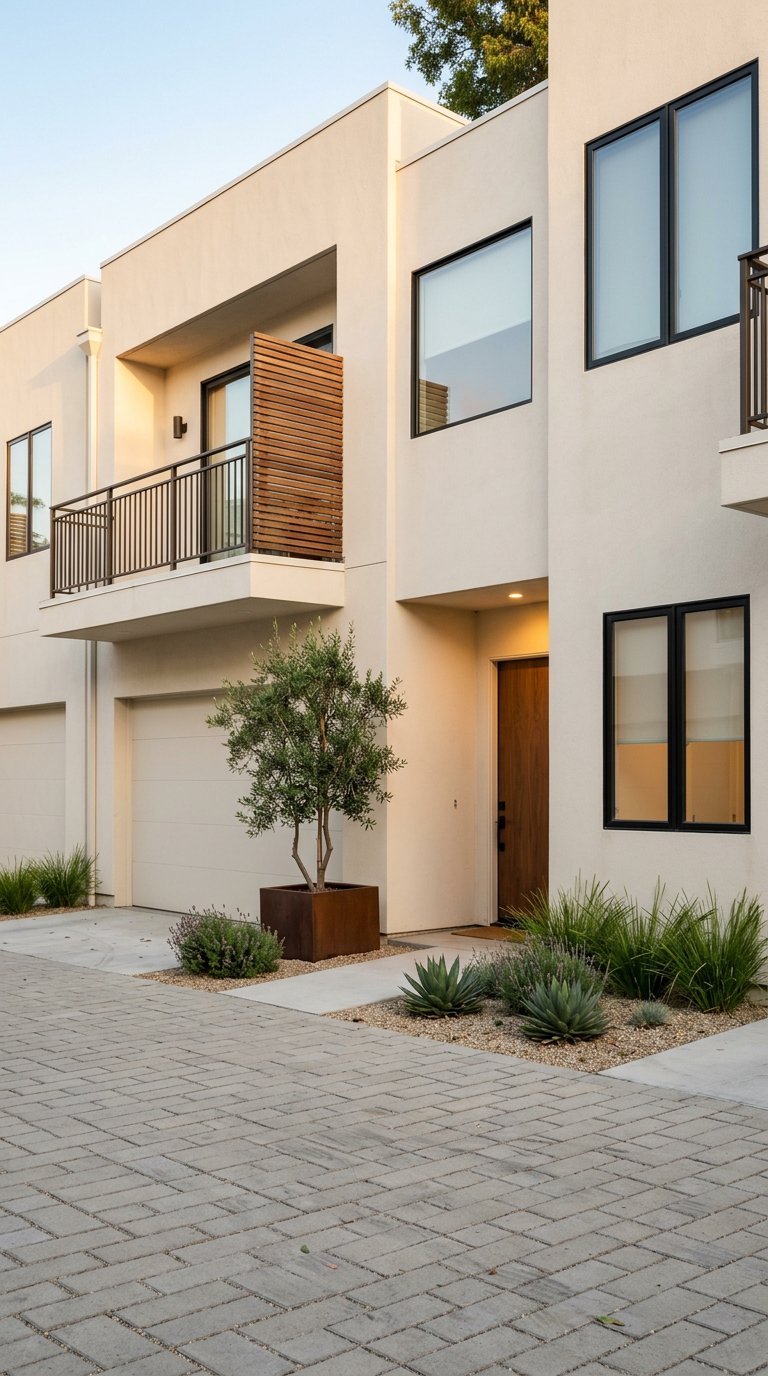
Trying to decide if a condo or townhome in Valencia is the right move? You are not alone. Valencia offers a wide mix of attached homes, from older garden‑style condos to brand‑new master‑planned townhomes, and the monthly costs can vary a lot depending on HOA dues and Mello‑Roos. In this guide, you will learn what you really own with each option, the true monthly costs to plan for, how HOAs and special taxes work here, and a simple checklist to compare properties with confidence. Let’s dive in.
What you really own
A condo usually means you own the interior airspace of the unit plus a share of the common areas. A townhome often means you own a fee‑simple lot and the structure, with shared areas governed by an HOA. The ownership form affects financing, maintenance, and insurance needs. For a quick primer on condo vs. townhouse ownership, review this clear overview of ownership and responsibilities from a consumer mortgage guide.
Your HOA carries a master insurance policy that typically covers the building exterior and common areas. You will almost always carry an HO‑6 condo policy for your interior, contents, liability, and loss‑assessment coverage. Learn what an HO‑6 covers and why the master policy type and deductible matter by reviewing this plain‑language guide to condo insurance from a national insurance resource. Always request the association’s insurance declarations page to confirm whether coverage is “walls‑in” or “bare‑walls.”
Under California’s Davis‑Stirling framework, you have the right to receive and review key HOA records during escrow. That includes CC&Rs, rules, budgets, reserve studies, financials, insurance details, and recent meeting minutes. Use those rights to verify what you will be responsible for and to assess the HOA’s financial health. You can read more about your record‑inspection rights on the Davis‑Stirling resource site.
Monthly costs to include
When you compare a Valencia condo or townhome, build a full monthly picture. Include:
- Principal and interest on your mortgage.
- Property taxes under Proposition 13, plus any parcel‑specific Mello‑Roos if the home lies inside a Community Facilities District. The City of Santa Clarita maintains information about local CFDs, and the Los Angeles County Treasurer shows these line items on the annual secured property‑tax bill. Lenders count Mello‑Roos as part of your property tax escrow and debt‑to‑income.
- HOA dues. Many Valencia homes have one HOA; some have a master HOA plus a sub‑association. Dues often cover landscaping, exterior maintenance, pools, clubhouse, common‑area insurance, and sometimes water and trash. Expect a wide range. Older one‑bedroom condos have recently traded in the mid‑$300k to mid‑$400k range with dues commonly around the low‑$400s to low‑$500s per month. Newer attached homes in master‑planned villages often list from the high‑$500k to $800k+ with HOA dues that can run higher, and many carry a separate Mello‑Roos charge.
- HO‑6 condo or townhome interior insurance. Ask for quotes that include loss‑assessment coverage.
- Utilities not covered by the HOA. Some communities include water and trash; others do not.
- Special assessments if applicable. Always confirm whether any are planned or in effect.
How Valencia HOAs work
Many newer Valencia communities use a layered structure: a master association for shared parks, trails, or streetscapes, and a sub‑association for each village or building. That can mean two dues lines, so confirm both. Dues usually fund exterior maintenance, landscaping, common‑area insurance, and amenities. Some associations include certain utilities, which can lower your out‑of‑pocket costs.
California associations must prepare reserve studies and provide disclosures about reserve levels. Underfunded reserves are a common reason for special assessments, so review the latest reserve study, percent funded, and the timeline for major projects. For background on how reserves work and why they matter, see this California‑focused overview of HOA reserves.
Use your Davis‑Stirling rights to request the resale packet early. Read the last 12 to 24 months of meeting minutes for clues about repeated repairs, water intrusion, roof issues, or litigation. These items can affect both your monthly costs and your ability to finance.
Mello‑Roos in Valencia
Mello‑Roos is a special tax levied by a Community Facilities District to repay bonds for infrastructure or services. In Valencia, several newer tracts and master‑planned villages carry these taxes in addition to the base property tax. The City of Santa Clarita maintains a public page explaining local CFDs.
You will see Mello‑Roos on the secured property‑tax bill as a separate line item labeled “Special Taxes” or the CFD name. Use the property’s APN and the Los Angeles County Treasurer’s resources to view the exact charges on the current bill. Amounts vary by tract and lot type; recent examples in newer Valencia product show meaningful annual CFD amounts, so it pays to verify for each parcel.
For budgeting, treat any Mello‑Roos as a monthly cost just like HOA dues. Lenders consider it part of your tax escrow and qualification. Ask your lender how they will escrow it and how it affects your approval.
Compare two attached homes: a checklist
Use this quick, local framework to compare options side by side:
Confirm ownership type. Is it a condo or a fee‑simple townhouse? Ownership drives maintenance and insurance. For a simple comparison, see this consumer guide to condos vs. townhouses.
Request the full resale packet before removing contingencies. Ask for CC&Rs, rules, current budget, financials, latest reserve study, 12–24 months of minutes, insurance declarations, and an estoppel showing dues and any unpaid assessments. California’s Davis‑Stirling rules explain your right to inspect records.
Verify property taxes and special taxes. Pull the most recent secured tax bill for the APN. Look for direct assessments and any CFD/Mello‑Roos lines using the County Treasurer’s guidance.
Evaluate reserves and risk. Check the reserve percent funded, planned capital projects, and contribution plan. A California‑focused primer on HOA reserves explains key indicators to watch.
Confirm insurance coverage. Identify the master policy type, deductible amounts, and whether earthquake or flood coverage exists. Get HO‑6 quotes that include loss‑assessment coverage using this overview of condo insurance.
Check project eligibility for financing. Ask your lender to review project eligibility and occupancy ratios. Fannie Mae’s seller guide outlines the condo project review process. Also review the list of ineligible project features that can limit loan options.
Review parking and rules. Confirm assigned spaces, guest parking, garage dimensions, and whether storage is allowed in garages. For towing and enforcement basics on private property, see California Vehicle Code Section 22658.
Ask about litigation and assessments. Request written disclosure of any pending litigation or special assessments. Major structural or safety issues can change financing and resale demand.
Order inspections. For older buildings, consider a general inspection, termite/WDO inspection, and sewer lateral scope. Scan HOA minutes for water intrusion or roof repair patterns that hint at future costs.
Confirm transfer timing and fees. Check resale packet fees, HOA turnaround times, and whether any move‑in deposits or elevator reservations apply. Use your statutory windows to cancel if documents reveal unexpected issues.
Neighborhood snapshots
Valencia North and older pockets
These established neighborhoods often have little to no HOA and typically no Mello‑Roos. Carrying costs can be lower, but amenities are limited compared to master‑planned villages. You will find a mix of attached and detached homes with mature landscaping and convenient freeway access.
Lakeshore area condos
Lakeshore features garden‑style condos with amenities like pools, spa, tennis courts, and a lake setting. HOA dues commonly include certain utilities such as water and trash, which simplifies your monthly budget. Smaller one‑bedroom homes here have been among the more accessible entry points into ownership.
Bridgeport and the lake loop
Bridgeport offers condos, townhomes, and detached homes around a walkable lake and clubhouse area. Fees and taxes vary by sub‑neighborhood, so verify both the master HOA and any sub‑association dues. Many buyers choose Bridgeport for lifestyle amenities and proximity to shopping and dining.
FivePoint Valencia villages
Newer attached homes in FivePoint deliver modern construction, energy features, and planned parks and trails. Expect layered HOAs and, in many cases, a separate CFD/Mello‑Roos tax. Prices and HOA dues trend higher than older product, in exchange for new finishes and amenities.
Buyer scenarios: quick guidance
If you are a first‑time buyer focused on affordability and low maintenance, start with established condo communities and compare dues, insurance, and project eligibility early. Include HO‑6 with loss‑assessment coverage in your budget, and have your lender run a project review at the preapproval stage.
If you are a move‑down buyer prioritizing comfort and amenities, look at well‑run townhome or village communities with strong reserves and clear maintenance histories. Balance newer construction and amenities against the total monthly carrying cost of HOA dues plus any Mello‑Roos.
Your next step in Valencia
Buying an attached home in Valencia comes down to three levers: price, monthly carrying cost, and lifestyle fit. When you understand ownership type, HOA health, and any Mello‑Roos, you can compare options with clarity and avoid surprises in escrow. If you would like a local, steady hand to help you evaluate communities and documents, reach out to the Stephanie Paige Group for a friendly, no‑pressure consult.
FAQs
What is Mello‑Roos on a Valencia condo?
- Mello‑Roos is a special tax from a Community Facilities District that appears as a separate line on your tax bill to fund infrastructure or services; the City of Santa Clarita explains local CFDs on its municipal site.
How do I check if a property has Mello‑Roos?
- Ask for the current secured tax bill and review the direct assessments; the Los Angeles County Treasurer’s FAQ explains how to view and understand these tax lines using the property’s APN.
What do Valencia HOA dues usually cover?
- Dues commonly fund exterior maintenance, landscaping, pools, clubhouse, common‑area insurance, and sometimes water and trash; confirm the master vs. sub‑association structure and review the latest budget and reserve study.
Why do HOA reserves matter when I buy?
- Reserves pay for long‑term repairs like roofs and paving; underfunded reserves increase the risk of special assessments. A California‑focused primer on HOA reserves explains how percent funded and planned projects signal risk.
Do I need condo insurance if the HOA has a master policy?
- Yes. You will typically carry an HO‑6 policy for your interior, contents, liability, and loss‑assessment coverage; learn what HO‑6 covers and how it complements the HOA’s master policy.
Can financing be denied because of the condo project?
- It can. Lenders review project eligibility, owner‑occupancy ratios, reserves, and any structural issues; see Fannie Mae’s condo project review process and the list of ineligible project features that can limit loan options.
What are towing and parking enforcement rules in HOAs?
- Rules vary by community. California Vehicle Code Section 22658 sets statewide standards for private‑property towing, signage, and authorization; confirm your HOA’s posted rules and policies.