Thinking about buying a rental in Canyon Country? The numbers can look promising at first glance, but smart investing here takes more than spotting a listing and estimating monthly rent. If you want to understand pricing, rent trends, local rules, and what can really affect your return, this guide will help you sort through the details with more confidence. Let’s dive in.
Why Canyon Country Gets Investor Attention
Canyon Country sits within the City of Santa Clarita, which means your rental research should usually start with Santa Clarita city context and California law, not county rules for unincorporated areas. That matters because investors sometimes assume Los Angeles County rental rules apply across the board, and that is not always the case here.
Recent market snapshots suggest Canyon Country is active without looking overheated. Realtor.com’s March 2026 data shows about 285 homes for sale, 55 rentals, a median listing price of $754,000, a median rent of $3,800 per month, and a median of 54 days on market, which it labels a balanced market.
That balance can appeal to buyers who want opportunity without the pressure of an extreme seller’s market. Redfin and Zillow also place sale prices in a similar range, with median sale price figures around $754,000 to $755,000 and Zillow showing typical home values near $758,898.
Rent Numbers Need a Closer Look
One of the biggest mistakes first-time investors make is treating one rent estimate as the whole story. In Canyon Country and Santa Clarita, public rent data can vary widely depending on the source, the unit mix, and how each platform calculates its averages.
For example, recent Santa Clarita rent figures range from $2,689 on Redfin to $2,779 on Zillow, while Realtor.com shows a much higher Santa Clarita median rental price of $3,900. In Canyon Country itself, Redfin shows $2,749 on its neighborhood rental page, while Realtor.com shows $3,800 on its market page.
That gap does not automatically mean one source is wrong. It usually means the inventory being measured is different. As an investor, you should use these numbers as screening tools, then verify likely rent by zip code, property type, bedroom count, condition, and nearby comparable leases.
Gross Yield Can Vary by Pocket
A quick gross-yield screen can help you compare neighborhoods, but it should never be your final decision tool. Using Realtor.com’s Santa Clarita neighborhood table, Canyon Country appears to compare favorably with some nearby areas on a simple gross-rent-to-price basis.
Using that same-source comparison, Canyon Country shows a median listing price of $592,499 and median rent of $3,800 per month, which works out to about a 7.7% gross yield. Valencia screens closer to 6.2%, while Newhall comes in around 4.4% using the same basic method.
Even so, Canyon Country is not one uniform market. Realtor.com’s zip-level table shows 91351 screening near a 6.0% gross yield using $612,500 and $3,045 per month, while 91342 screens closer to 3.9% using $750,000 and $2,441 per month.
That spread is a good reminder that the neighborhood name alone is not enough. A property on one side of Canyon Country may underwrite very differently than another, so block-level rent comps matter.
Gross Yield Is Not Net Return
A property that looks strong on paper can still disappoint after real expenses show up. Gross yield is only a starting point, because it does not include taxes, insurance, HOA dues, maintenance, vacancy, or management costs.
That is especially important in a market where condos, townhomes, and newer planned communities can come with recurring HOA expenses. Before you buy, you need to test whether the expected rent still works after all monthly and long-term costs are included.
A simple screening question is this: if rent comes in lower than expected or expenses come in higher, does the property still fit your goals? If the answer is no, you may need a better entry price, a different unit type, or a different pocket of Canyon Country.
Who Rents in Canyon Country?
Santa Clarita’s Census QuickFacts can help you think through likely rental demand. The city shows a 71.8% owner-occupied housing unit rate, $2,544 median gross rent, $123,062 median household income, 3.02 persons per household, and a 34.1-minute mean travel time to work.
Those numbers suggest a renter pool that likely includes working households and people looking for more space or flexibility than ownership currently allows. The household size and commute data also support a practical focus on homes that fit everyday living patterns rather than a short-stay strategy.
Santa Clarita also reports that 24.6% of residents are under age 18 and 39.8% hold a bachelor’s degree or higher. For investors, that points to the value of matching the property to the likely renter profile instead of assuming every home appeals to the same audience.
Newer Communities Can Shape Demand
The city’s housing information highlights newer communities such as Skyline and Vista Canyon. Vista Canyon is described by the city as the newest community being built on the eastern side of Santa Clarita, and Skyline is presented as offering modern homes with energy- and water-saving features.
That matters because newer housing can attract renters who prioritize newer finishes, lower maintenance concerns, commute access, and built-in community amenities. If you are comparing an older home with a newer condo or townhome, part of the rent difference may come down to product type and perceived convenience.
There is also a communication angle to keep in mind. Census data shows 36.2% of households speak a language other than English at home, so clear and accessible leasing communication can be especially important in this market.
Know the Rules Before You Buy
In Canyon Country, local jurisdiction is one of the first things to confirm. Because Canyon Country is within Santa Clarita’s planning area, you should not assume Los Angeles County’s rent stabilization program applies unless the parcel is actually in unincorporated Los Angeles County.
That distinction matters because the county’s Rent Stabilization and Tenant Protections Ordinance applies to eligible properties in unincorporated areas. A quick jurisdiction check early in your underwriting can prevent expensive assumptions later.
At the state level, California’s Tenant Protection Act, AB 1482, is a major rule to understand. It caps annual rent increases at 5% plus the regional CPI change, or 10%, whichever is lower, and it adds just-cause eviction rules after 12 months of occupancy.
The law also includes important exemptions. These can include housing with a certificate of occupancy issued within the previous 15 years and certain separately alienable single-family homes or condos when statutory notice requirements are met.
For an investor, the key point is simple: do not guess about coverage. You want to confirm whether a property is subject to AB 1482, exempt, or affected by another rule set before you set your rent and lease strategy.
HOA and Condo Review Matters
If you are buying a condo, townhome, or other common-interest property, HOA review is not a side issue. The California Department of Real Estate says public reports contain CC&Rs, costs, assessments, and other material disclosures, and its HOA guidance includes reserve-study and operating-cost information.
In practical terms, you should review dues, reserve health, any history of special assessments, and any leasing restrictions in the governing documents. An attractive price can lose its appeal fast if the HOA structure weakens your monthly cash flow or limits your rental flexibility.
Newer communities may offer lower immediate repair risk, but they can also come with more HOA exposure. Older properties may offer a lower entry price, but they can require more capital improvements and more careful review of rent-cap coverage.
Manufactured Homes Follow Different Rules
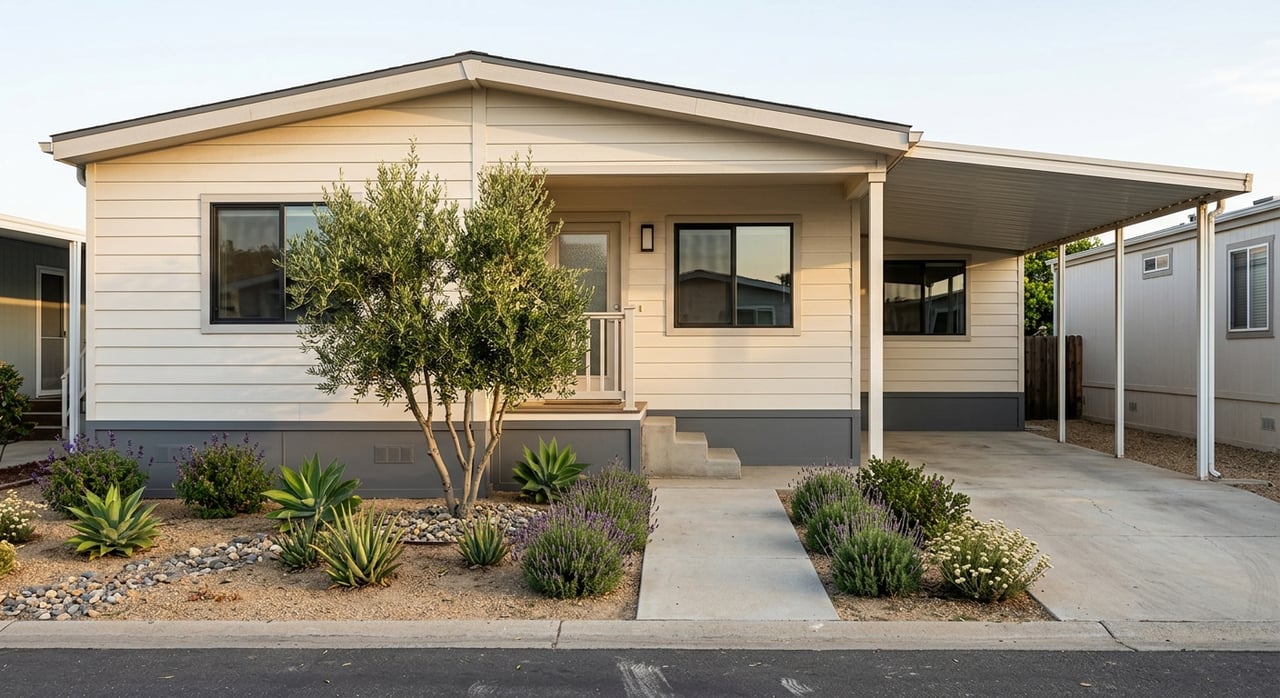
If you are considering a manufactured home park or mobilehome space investment, make sure you understand that it is a separate category. Santa Clarita has its own Municipal Code Chapter 6.02 rent-adjustment procedure and appeal process for manufactured home parks, and the city also points owners and residents to state HCD rules.
That means you should not analyze a manufactured housing opportunity the same way you would a standard single-family rental or condo lease. The regulatory framework is different, and your due diligence should reflect that from the start.
Questions to Answer Before Investing
Before you move forward on a Canyon Country rental, it helps to slow the process down and answer a few core questions clearly.
- What is the actual market rent for this specific zip code, unit type, size, and condition?
- How does this property compare with nearby options in Canyon Country, Valencia, and Newhall?
- Is the property subject to AB 1482, exempt under state rules, or affected by HOA leasing restrictions?
- Will HOA dues, reserve funding, insurance, and maintenance change the return enough to affect your decision?
- Does the home fit the likely local renter profile based on household size, commute patterns, and rental demand?
- If this is manufactured housing, what separate city and state rules apply?
These questions may sound basic, but they are often what separate a steady investment from a frustrating one. Clear answers lead to better pricing decisions, better rent expectations, and fewer surprises after closing.
A Smarter Way to Evaluate Canyon Country Rentals
Canyon Country can offer real opportunity, but the strongest opportunities usually come from careful local analysis, not broad averages. Public data suggests the area has active demand, balanced conditions, and pockets where the numbers can screen well, but returns can shift quickly based on zip code, property type, HOA structure, and legal coverage.
If you are thinking about buying your first rental or adding another property in Santa Clarita Valley, local context matters. The right guidance can help you compare neighborhoods, pressure-test rent assumptions, and avoid underwriting mistakes that do not show up in an online snapshot.
When you are ready to talk through Canyon Country rentals, local pricing, or the pros and cons of a specific property, connect with Stephanie Paige Group for practical, neighborhood-focused guidance.
FAQs
What should you know before investing in Canyon Country rentals?
- You should verify local rent comps, confirm whether Santa Clarita or another jurisdiction governs the property, check whether AB 1482 applies, and review all ownership costs such as taxes, insurance, maintenance, and HOA dues.
Are Canyon Country rentals covered by Los Angeles County rent stabilization rules?
- Not automatically. Canyon Country is within the City of Santa Clarita planning area, and Los Angeles County’s rent stabilization program applies to eligible properties in unincorporated Los Angeles County, so parcel-level jurisdiction should be verified.
Is Canyon Country a good place to buy an investment property?
- Public market snapshots suggest Canyon Country is active and balanced, with sale prices and rents that can compare favorably to some nearby Santa Clarita neighborhoods, but the opportunity depends heavily on the exact zip code, property type, and expense structure.
How much rent can you expect in Canyon Country?
- Public data varies by source, with Canyon Country rent figures ranging from about $2,749 on Redfin to $3,800 on Realtor.com, which is why investors should confirm likely rent using specific comparable leases rather than one portal average.
Does AB 1482 apply to Canyon Country rental properties?
- Many properties may be covered, but some may be exempt, including certain newer homes and some separately alienable single-family homes or condos when notice rules are met, so each property should be reviewed individually.
What should you check when buying a Canyon Country condo as a rental?
- You should review HOA dues, reserve funding, special assessment history, CC&Rs, and any leasing restrictions because those factors can materially affect both cash flow and rental flexibility.
Are manufactured homes in Canyon Country treated the same as other rentals?
- No. Manufactured home parks and mobilehome spaces can involve a separate Santa Clarita rent-adjustment process under Municipal Code Chapter 6.02, along with applicable state HCD rules.
Who typically rents in the Santa Clarita and Canyon Country area?
- Census figures suggest demand is likely shaped by working households and renters seeking flexibility or suburban housing options, with local household size and commute patterns pointing to practical, longer-term residential demand rather than a short-stay focus.