Wondering what Canyon Country really looks like on the ground? If you have only seen the name on a map, you might assume it is one type of neighborhood with one predictable housing style. In reality, Canyon Country offers a wide mix of settings, from more built-up corridor living to semi-rural estates and newer mixed-use areas. If you are trying to figure out where you might feel most at home, this quick guide will help you understand the big picture. Let’s dive in.
Why Canyon Country Feels So Varied
Canyon Country is part of the City of Santa Clarita, and its landscape is shaped by canyons, foothills, and semi-rural terrain. County planning places the community core north of the Santa Clara River and along Soledad Canyon Road, while Sand Canyon sits at the base of the San Gabriel Mountains and Angeles National Forest.
That setting creates a neighborhood story with real variety. Planning documents describe the broader Canyon Country and Sand Canyon aesthetic as rustic and natural, with features like heavy timber and natural rock helping define the visual character. Even when the housing types change from one pocket to another, that natural influence tends to carry through.
Soledad Canyon Road Area
The Soledad Canyon Road corridor is the most urbanized and service-oriented part of Canyon Country. County planning notes a major concentration of commercial land uses here, along with a well-developed residential community around it.
For you as a buyer or seller, that usually means a more connected, convenience-driven setting. This area is often where people start when they want access to everyday services, established residential streets, and a more central Canyon Country location.
What housing feels like here
Housing around the corridor tends to reflect a conventional suburban pattern. You are more likely to find established residential development near shopping, services, and main roads than the larger-lot, semi-rural feel seen in outer pockets.
If your goal is practical day-to-day access, this part of Canyon Country often stands out. It offers a very different experience from the quieter canyon-edge areas.
Mint Canyon And Solemint Junction
Mint Canyon has a narrower, still-evolving feel compared with the core corridor. County planning describes it as an area with smaller custom homes, new homes near the canyon mouth, and mobilehome parks near Solemint Junction.
That mix gives Mint Canyon a distinct identity. Instead of one uniform housing product, you see a blend of older and newer options, along with housing types that may appeal to buyers looking for something outside the standard tract-home pattern.
What housing feels like here
This pocket can be a good example of Canyon Country’s flexibility. Smaller custom homes may offer more individuality in layout or lot feel, while mobilehome communities and newer homes near the canyon mouth add more variety to the market.
For sellers, that means neighborhood context matters when pricing and positioning a property. For buyers, it means you may find options here that look and feel different from what you see in the more conventional parts of Santa Clarita.
Friendly Valley And Serena Park
West of the 14 and south of the river, Friendly Valley and Serena Park add another layer to the Canyon Country picture. County planning describes these pockets as including conventional tract developments and a retirement village.
These areas help show that Canyon Country is not defined by one lifestyle pattern. Some neighborhoods here follow a more familiar tract-home format, while others are shaped by age-restricted or retirement-oriented housing types.
What housing feels like here
If you are comparing home styles, this part of Canyon Country is a reminder that established neighborhoods can still vary a lot from one pocket to the next. Conventional tract developments often appeal to buyers who want a recognizable suburban layout and neighborhood rhythm.
At the same time, the presence of a retirement village adds another housing format to the local mix. That variety is one reason Canyon Country can serve many different housing needs within the same broader community.
Sand Canyon’s Semi-Rural Character
Sand Canyon is the clearest example of Canyon Country’s semi-rural side. The City of Santa Clarita describes it as a semi-rural community with low-density single-family and equestrian land uses, along with large custom homes and lots.
The city also notes that a special standards district was created to preserve Sand Canyon’s rural and equestrian character. That tells you this area is not just larger in scale. It is intentionally planned to maintain a distinct feel.
What housing feels like here
If you picture detached homes on larger lots, custom design, and a setting with more open space around you, Sand Canyon is the pocket most associated with that experience. It stands apart from the denser and more mixed-use portions of Canyon Country.
Architecturally, this area also fits the broader rustic and natural design language described in local planning documents. Large homes, natural materials, and a stronger connection to the surrounding landscape are part of the appeal.
Vista Canyon And Newer Housing Types
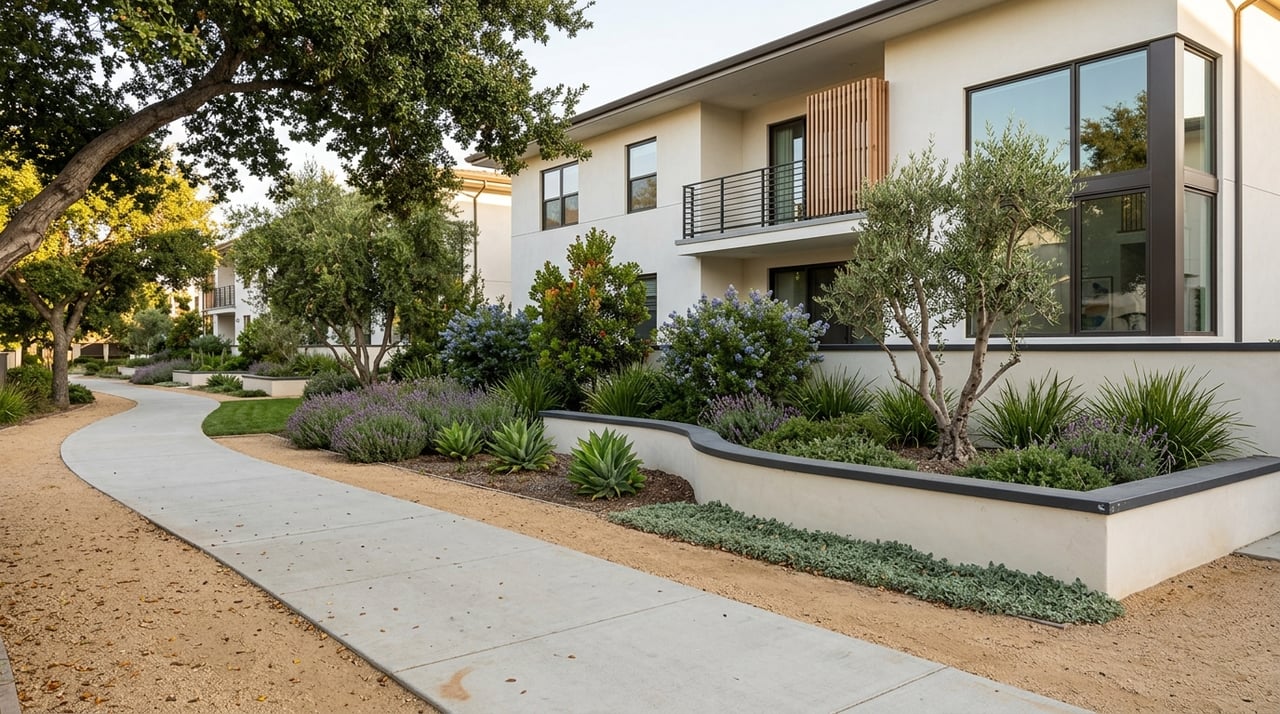
On the eastern edge, Vista Canyon adds one of the newest and most planned residential concepts in the area. It was designed as a mixed-use, transit-oriented community near the Metrolink rail line, with a range of housing types and residential units within walking distance of retail and office uses.
Planning documents also describe a trail and sidewalk system linking neighborhoods to parks and nearby recreation. In market terms, this is the pocket most likely to include attached-home or townhome-style living in a newer planned setting.
What housing feels like here
If you are looking for a more contemporary neighborhood layout, Vista Canyon may be the best fit within Canyon Country. Attached homes and townhome-style options are more likely here than in the larger-lot canyon-edge areas.
This kind of planning can appeal to buyers who want a more connected layout with neighborhood amenities nearby. It is a different experience from both the established tract neighborhoods and the semi-rural estate pockets.
Canyon Country Housing Styles At A Glance
The easiest way to understand Canyon Country is to think of it as a community with several distinct housing patterns rather than one single market segment. The local housing mix includes:
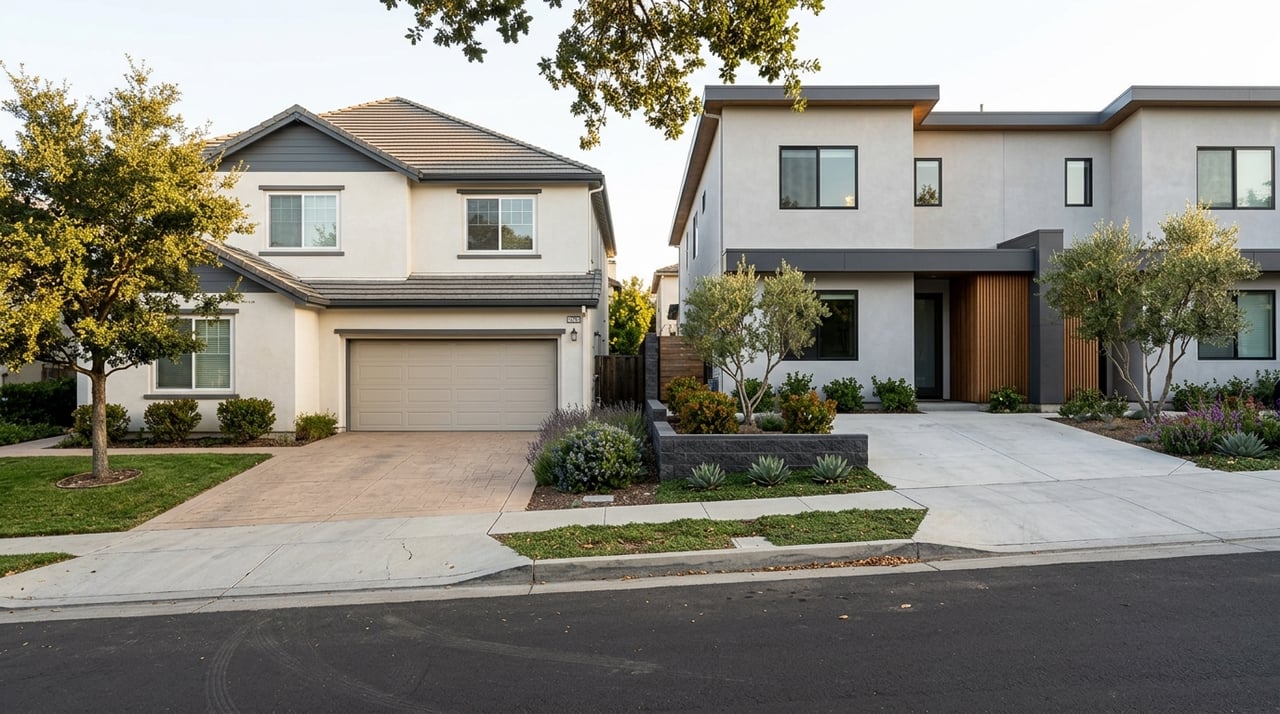
- Conventional tract homes
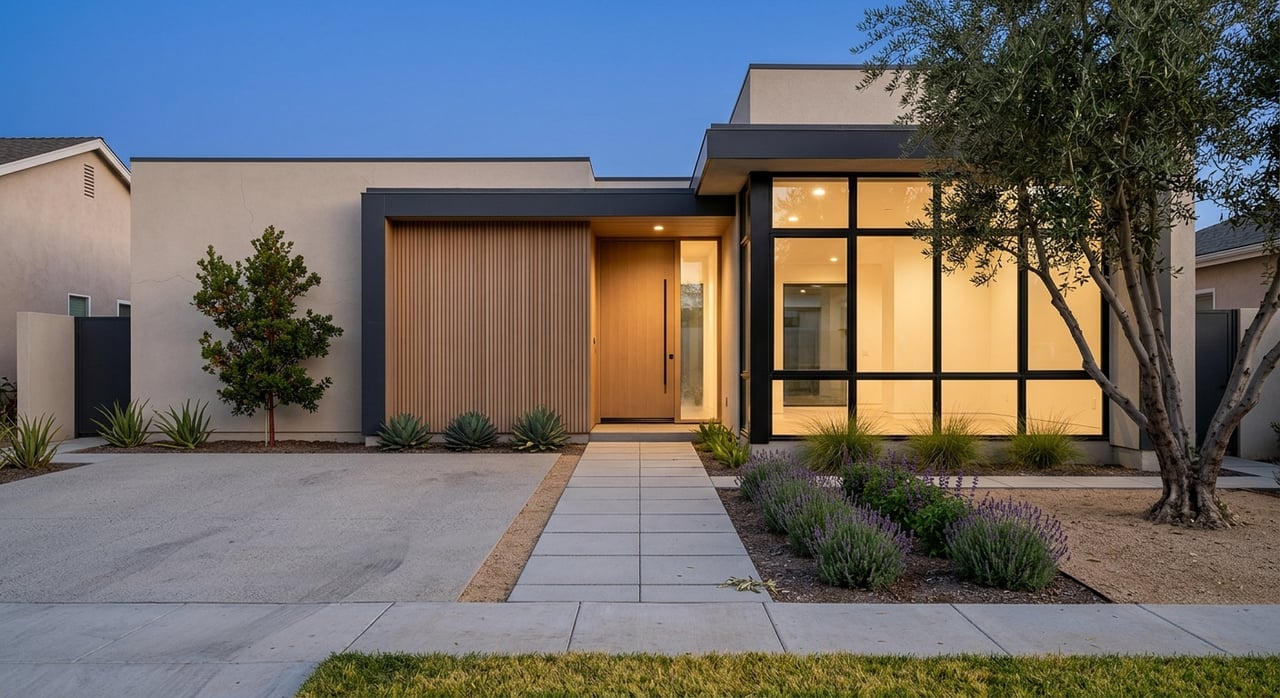
- Larger custom homes
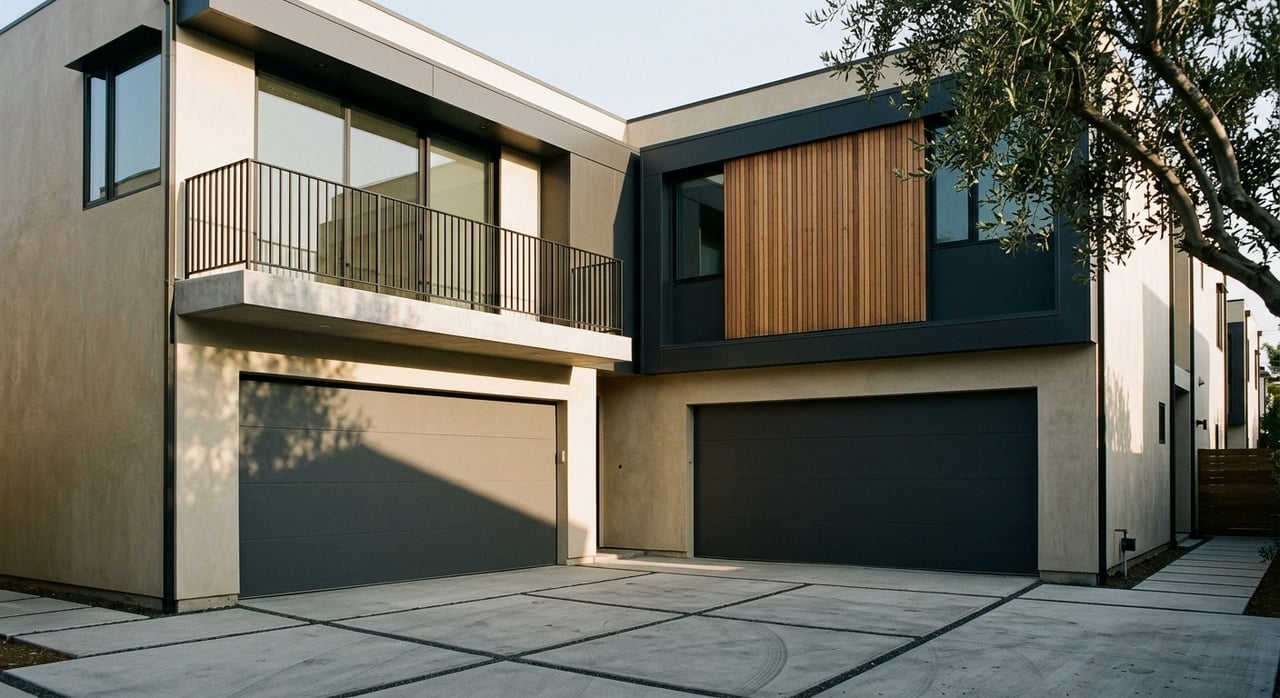
- Attached multifamily or townhome-style housing
- Mobilehome communities
- Low-density single-family homes on larger lots
In practical terms, attached-home and townhome-style stock is most closely tied to newer planned areas like Vista Canyon. Canyon-edge neighborhoods and Sand Canyon tend to lean more toward detached homes and larger lots.
Architectural Character Across The Area
One of the more interesting things about Canyon Country is that its visual character stays fairly consistent even as housing types change. Planning and city documents point to rustic, natural materials such as stone veneer, exposed timbers, heavy timber, natural rock, and ranch-influenced details.
That does not mean every home looks the same. It does mean the broader area often reflects the surrounding landscape, which gives Canyon Country a look that feels grounded in its foothill and canyon setting.
Community Amenities That Shape Daily Life
Housing style is only part of the story. Canyon Country also has several public amenities that help shape daily life and influence how different parts of the community feel.
The city operates the Canyon Country Community Center, which hosts classes, tutoring, and community events. The Canyon Country Jo Anne Darcy Library serves the area as one of Santa Clarita’s three library branches, and College of the Canyons’ Canyon Country Campus is a major local hub for education and student services.
Outdoor access is another important part of the area’s appeal. Discovery Park, Fair Oaks Park, and trail access at Discovery Park/Camp Plenty Trailhead and Rivendale/Towsley Canyon all contribute to Canyon Country’s recreational feel.
How To Narrow Down Your Search
If you are trying to choose the right part of Canyon Country, it helps to start with lifestyle and housing type before you focus on individual listings. Think about whether you want a more connected corridor setting, a conventional tract neighborhood, a newer attached-home community, or a semi-rural custom-home environment.
It also helps to compare how much variety you want in home style and lot size. Canyon Country can offer a broader range than many buyers expect, which is a plus, but it also means neighborhood-by-neighborhood guidance matters.
For sellers, this same variety is why local positioning is so important. A home in Sand Canyon, Mint Canyon, Vista Canyon, or near Soledad Canyon Road may need a different marketing story because buyers are often shopping for a very specific lifestyle fit.
If you are thinking about buying, selling, leasing, or exploring manufactured housing options in Canyon Country, local context can make the process much clearer. The team at Stephanie Paige Group brings neighborhood-focused Santa Clarita Valley guidance to help you understand what fits your goals and how to move forward with confidence.
FAQs
What kinds of homes are found in Canyon Country?
- Canyon Country includes conventional tract homes, larger custom homes, attached multifamily or townhome-style housing, mobilehome communities, and low-density single-family homes on larger lots.
Which part of Canyon Country feels the most semi-rural?
- Sand Canyon is the area most clearly described by the City of Santa Clarita as semi-rural, with low-density single-family and equestrian land uses, plus large custom homes and lots.
Where are newer attached homes most likely in Canyon Country?
- Newer attached-home or townhome-style options are most associated with Vista Canyon, a planned mixed-use community near the Metrolink rail line.
What is the Soledad Canyon Road area like in Canyon Country?
- The Soledad Canyon Road corridor is the most urbanized and service-oriented part of Canyon Country, with a well-developed residential community near a major concentration of commercial uses.
Does Canyon Country have community amenities and parks?
- Yes. Public amenities include the Canyon Country Community Center, the Canyon Country Jo Anne Darcy Library, College of the Canyons’ Canyon Country Campus, Discovery Park, Fair Oaks Park, and nearby trail access points.