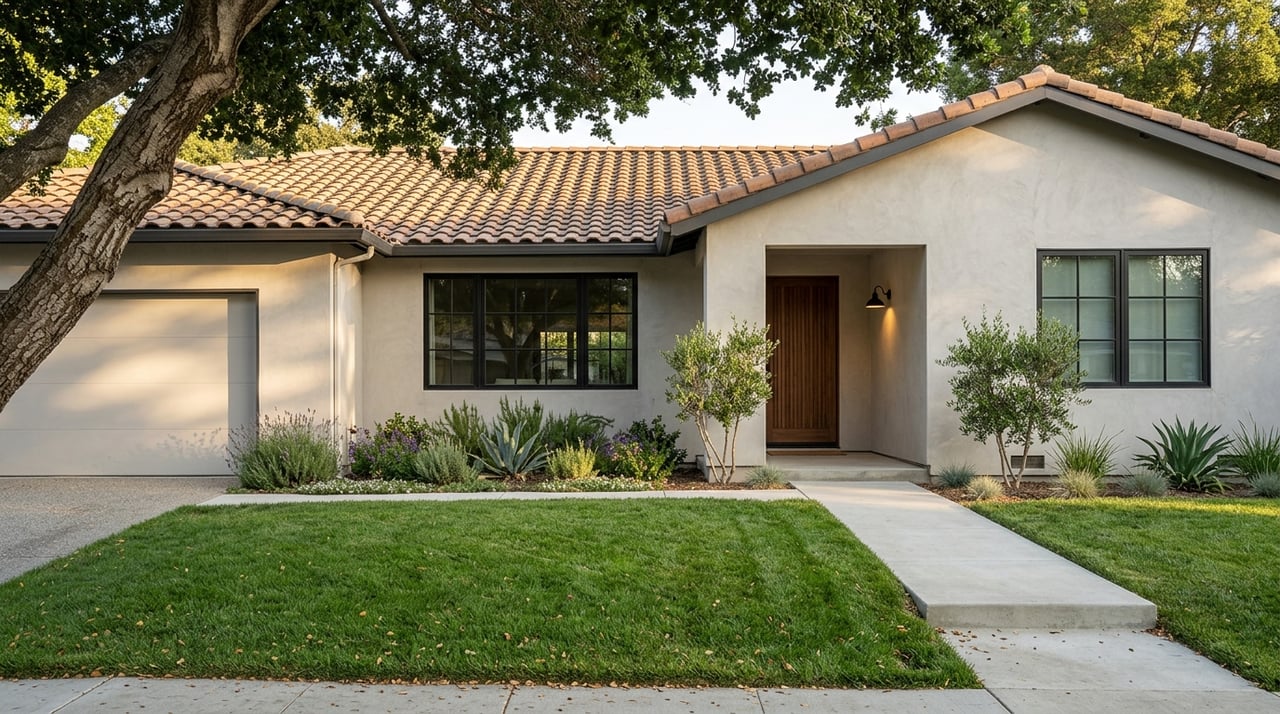
Choosing between a newer neighborhood and an established one in Valencia can feel harder than it sounds. You may love the idea of a brand-new home, but you also might be drawn to mature streets, existing amenities, and a neighborhood that already feels settled. The good news is that Valencia offers both, and each comes with real advantages depending on how you live, what you value, and how you want your home to feel day to day. Let’s break it down.
What “newer” and “established” mean in Valencia
In Valencia, “newer” usually refers to the current FivePoint expansion west of Interstate 5 and south of Highway 126. According to Valencia’s official history, the first homeowners in this newer phase moved in 2021, and additional villages are still planned.
“Established” generally refers to the earlier Valencia villages and HOA communities built from the late 1960s through the early 2000s. Valencia’s first residential village, Old Orchard I, welcomed its first residents in 1967, and neighborhoods like Bridgeport, Northbridge, and Fairways represent the more built-out side of the community.
Newer Valencia neighborhoods at a glance
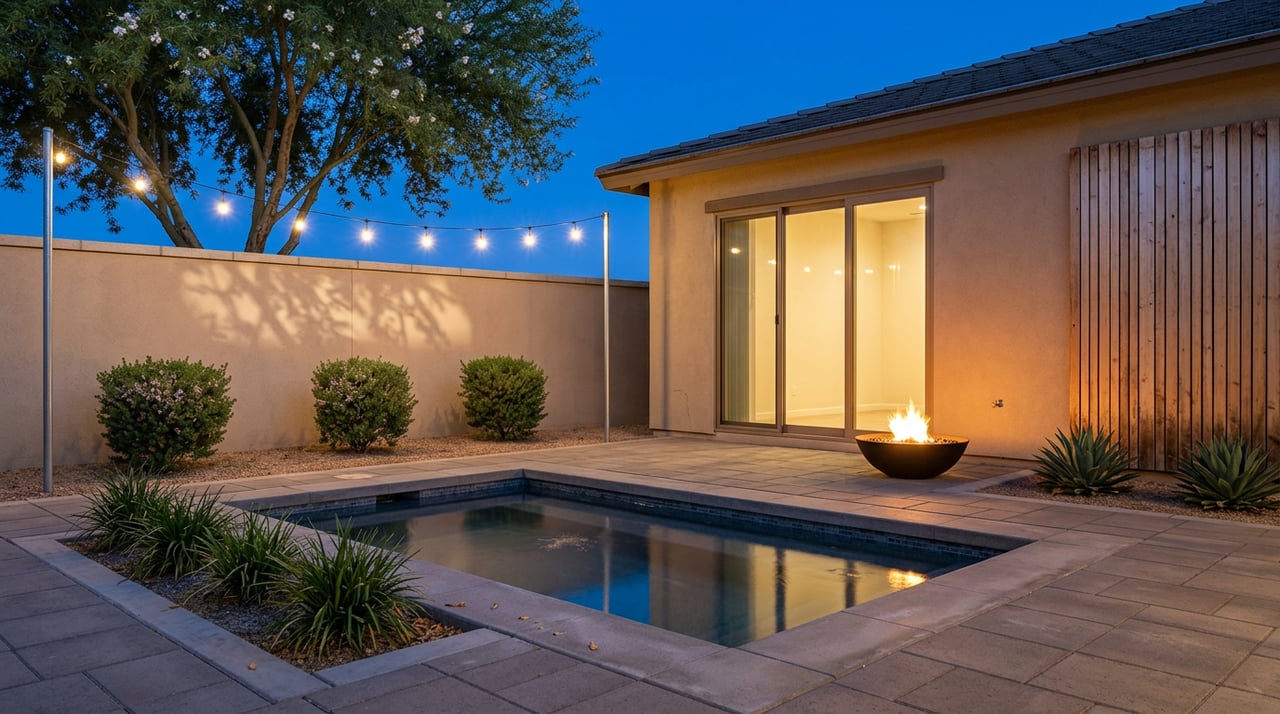
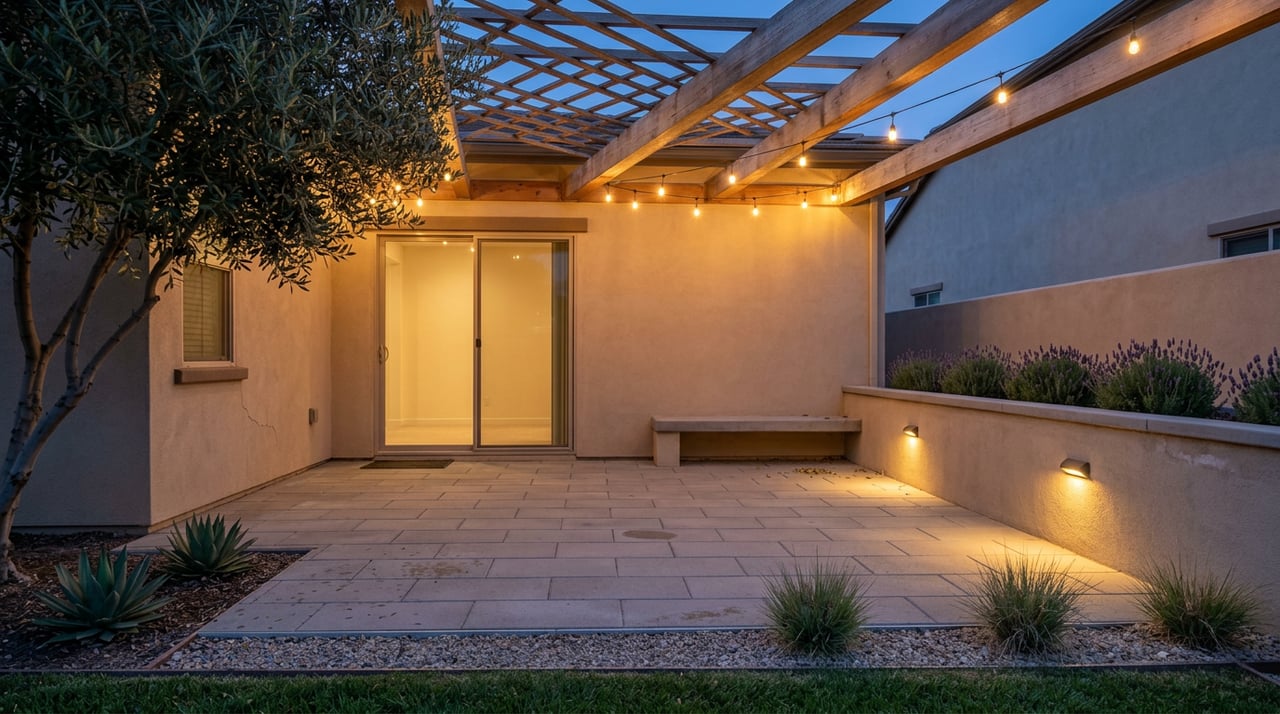
Newer Valencia homes tend to appeal to buyers who want contemporary design and a more master-planned experience. Current offerings include townhomes, paired homes, and single-family homes across 18 collections ranging from 1,692 to 3,723 square feet.
FivePoint highlights features like smart home technology, flexible indoor and outdoor space, porches, balconies, solar, and EV chargers. In practical terms, that often means a more modern and consistent look from one tract to the next, though each collection should still be reviewed on its own.
Amenities in newer Valencia
One of the biggest draws in newer Valencia is the amenity package. Current features include three pools, cabanas, outdoor grills, an adventure playground, a community garden, The Lounge at Confluence Park, Verve Park, connected trails, bikeable streets, resident clubs, and a Sunday farmers market.
Some of these parks are private and accessed by resident keyfobs, while Riparian Park is a public LA County park. If shared recreation and organized community programming matter to you, newer Valencia offers a strong amenity-driven lifestyle.
HOA structure in newer Valencia
The newer Valencia community operates with one master HOA that oversees parks, pools, shared-space maintenance, programming, and architectural standards. HOA fees vary by home, and some low-maintenance townhomes also include sub-association fees.
That setup can be a plus if you want a more streamlined, managed environment. It can also mean you should look at your total monthly housing cost carefully, not just the purchase price.
Established Valencia neighborhoods at a glance
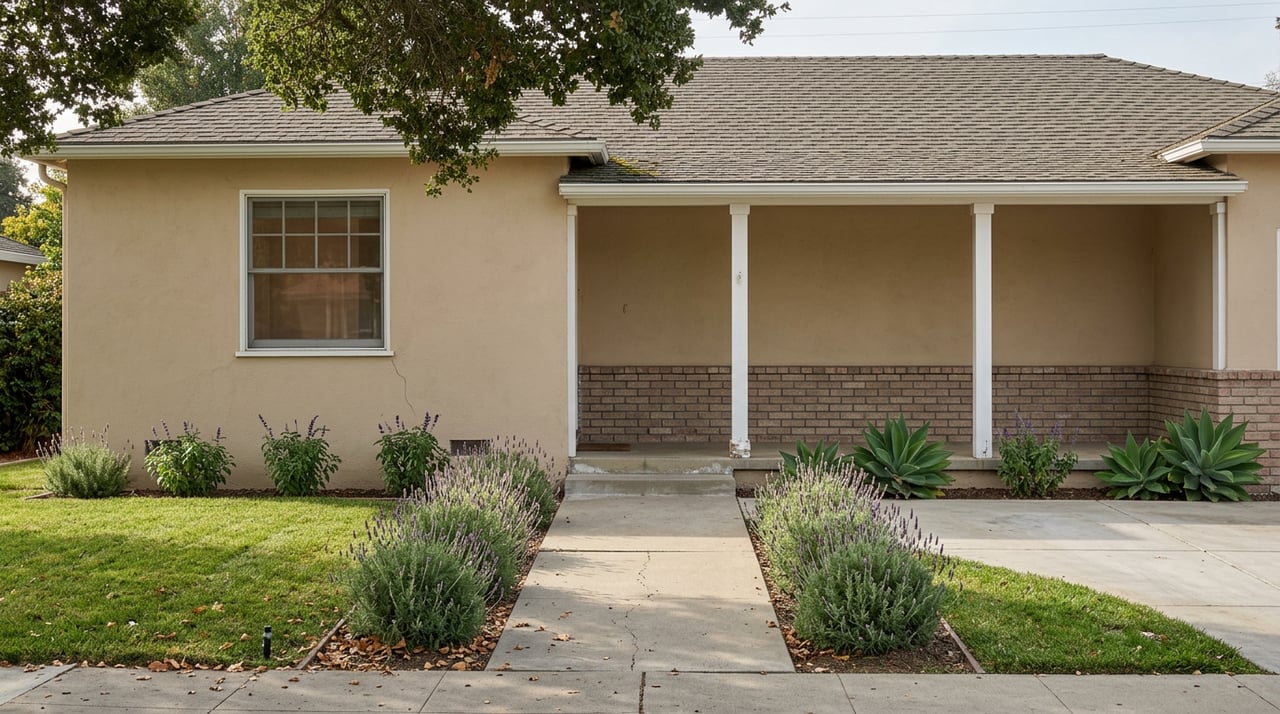
Established Valencia neighborhoods offer a different kind of appeal. These communities often feel more mature, more settled, and more individually defined because they were developed over time rather than as one current expansion phase.
Old Orchard I, Bridgeport, Northbridge, and Fairways are well-known examples. Northbridge includes 1,208 single-family homes, and Fairways was built in 1972 as a planned unit development on 18 acres next to Vista Valencia Golf Course.
Amenities in established Valencia
Established neighborhoods often come with amenities that are already fully in place and woven into daily life. Bridgeport highlights a 15-acre lake, clubhouse, pool, wading pool, spa, paseo system, and walkability to shopping and dining.
Northbridge notes proximity to grocery stores, pharmacies, cafes, and Westfield Valencia Town Center. Fairways offers three pools, tennis courts, a play area, dog walks, and 24-hour on-call security.
HOA structure in established Valencia
Older Valencia communities still have active HOAs, but the structure is usually more tract-specific. Northbridge lists its own board and management, Fairways publishes rules and governing documents, and Bridgeport directs residents to meetings, payments, and management contacts.
For buyers, that means established neighborhoods can feel more distinct from one another. It also means HOA rules, fees, and maintenance expectations should be reviewed neighborhood by neighborhood.
How the daily lifestyle may differ
The choice often comes down to how you want your everyday life to work. A newer Valencia neighborhood may feel more planned, more contemporary, and more centered on shared amenities and lower exterior maintenance.
An established Valencia neighborhood may feel more rooted, more built-out, and more connected to existing retail, dining, and long-standing community features. Neither is automatically better. It depends on what feels most comfortable and practical for you.
You may prefer newer Valencia if you want
- Contemporary home design
- Smart home features, solar, and EV charging
- Strong shared amenities and resident programming
- A lower-maintenance or lock-and-leave feel
- A home in Valencia’s newest phase of development
You may prefer established Valencia if you want
- A more mature street scene and landscaping
- A neighborhood with long-standing amenities already in place
- Easier access to existing shopping and Town Center areas
- A tract with its own clubhouse, lake, pools, or security features
- A neighborhood that feels fully built-out today
Compare price beyond the list price
Budget is one of the most important parts of this decision. In newer Valencia, current new-home pricing ranges from the upper $500,000s to over $1.8 million, depending on the collection and home type.
That wide range is only part of the picture. In newer neighborhoods especially, it is smart to compare the purchase price alongside the master HOA fee and any sub-association fees for attached or low-maintenance homes.
Established neighborhoods need the same careful review, just in a different way. The official neighborhood sources do not show one Valencia-wide rule for HOA cost or lot size in older communities, so each tract should be treated separately when you compare monthly costs, amenities, and upkeep responsibilities.
Lot size and privacy are not one-size-fits-all
A common assumption is that older neighborhoods always mean larger lots and newer neighborhoods always mean smaller ones. In Valencia, that is too simplistic.
Because both newer and established areas include a mix of attached and detached homes, lot size and yard privacy are best compared tract by tract. If outdoor space is high on your list, ask detailed questions about the specific home and community rather than relying on age alone.
Questions to ask before you choose
If you are deciding between newer and established Valencia neighborhoods, these questions can help you narrow your options.
What kind of neighborhood feel do you want?
Do you picture yourself in a neighborhood with brand-new homes and a more contemporary look? Or do you prefer a community with mature landscaping, older trees, and a more settled street scene?
That visual and emotional fit matters more than many buyers expect. You will notice it every time you come home.
How much HOA structure feels comfortable?
Some buyers like the consistency and managed feel of a master-planned community. Others prefer a more neighborhood-specific HOA setup, even if it means each tract has its own rules, documents, and expectations.
This is not just about fees. It is also about how you want shared spaces, exterior standards, and community amenities to be handled.
How important is low maintenance?
If you want a home that supports a lock-and-leave lifestyle, newer Valencia may stand out. FivePoint specifically positions parts of the community around lower-maintenance living.
If you are comfortable taking a more tract-specific approach to upkeep and amenities, established Valencia may open up more options. The key is knowing how much convenience matters in your routine.
What matters more: newest homes or existing convenience?
For some buyers, being in the newest phase of Valencia is the top priority. For others, quick access to grocery stores, cafes, dining, and Town Center destinations makes everyday life easier.
That tradeoff is personal. A well-chosen neighborhood should support how you actually live, not just look good on paper.
Valencia is a spectrum, not a simple split
The most helpful way to think about Valencia is not “good old versus good new.” It is a spectrum of neighborhoods with different strengths.
The newer FivePoint side leans toward modern design, solar and EV features, layered HOA management, and a broad amenity package. The established side tends to offer mature neighborhood character, already-built community features, and strong proximity to existing retail and services.
How to make the best decision for you
If you are torn between the two, start with your daily priorities instead of the home’s construction year. Think about your ideal routine, your comfort with HOA structure, your maintenance preferences, and how you want the neighborhood to feel over time.
In Valencia, the right fit usually becomes clearer once you compare specific tracts side by side. If you want local guidance on how these neighborhoods differ in real life, the team at Stephanie Paige Group can help you sort through the options with practical, neighborhood-focused insight.
FAQs
What is considered a newer neighborhood in Valencia?
- In Valencia, “newer” usually refers to the current FivePoint expansion, where the first homeowners moved in 2021 and additional villages are still planned.
What is considered an established neighborhood in Valencia?
- “Established” usually refers to Valencia villages and HOA communities built from the late 1960s through the early 2000s, including places like Old Orchard I, Bridgeport, Northbridge, and Fairways.
Are newer Valencia neighborhoods more expensive?
- Newer Valencia homes currently range from the upper $500,000s to over $1.8 million, but your full cost should include HOA and any sub-association fees, not just the purchase price.
Do established Valencia neighborhoods have HOAs?
- Yes. Established Valencia neighborhoods often have active, tract-specific HOAs with their own boards, management, rules, and amenity structures.
Are lot sizes larger in established Valencia neighborhoods?
- Not always. Valencia has a mix of attached and detached homes across both newer and established areas, so lot size and privacy should be compared tract by tract.
Which Valencia neighborhoods are closer to shopping and dining?
- Some established neighborhoods, including Bridgeport and Northbridge, highlight convenient access to shopping, dining, grocery stores, pharmacies, and Town Center destinations.